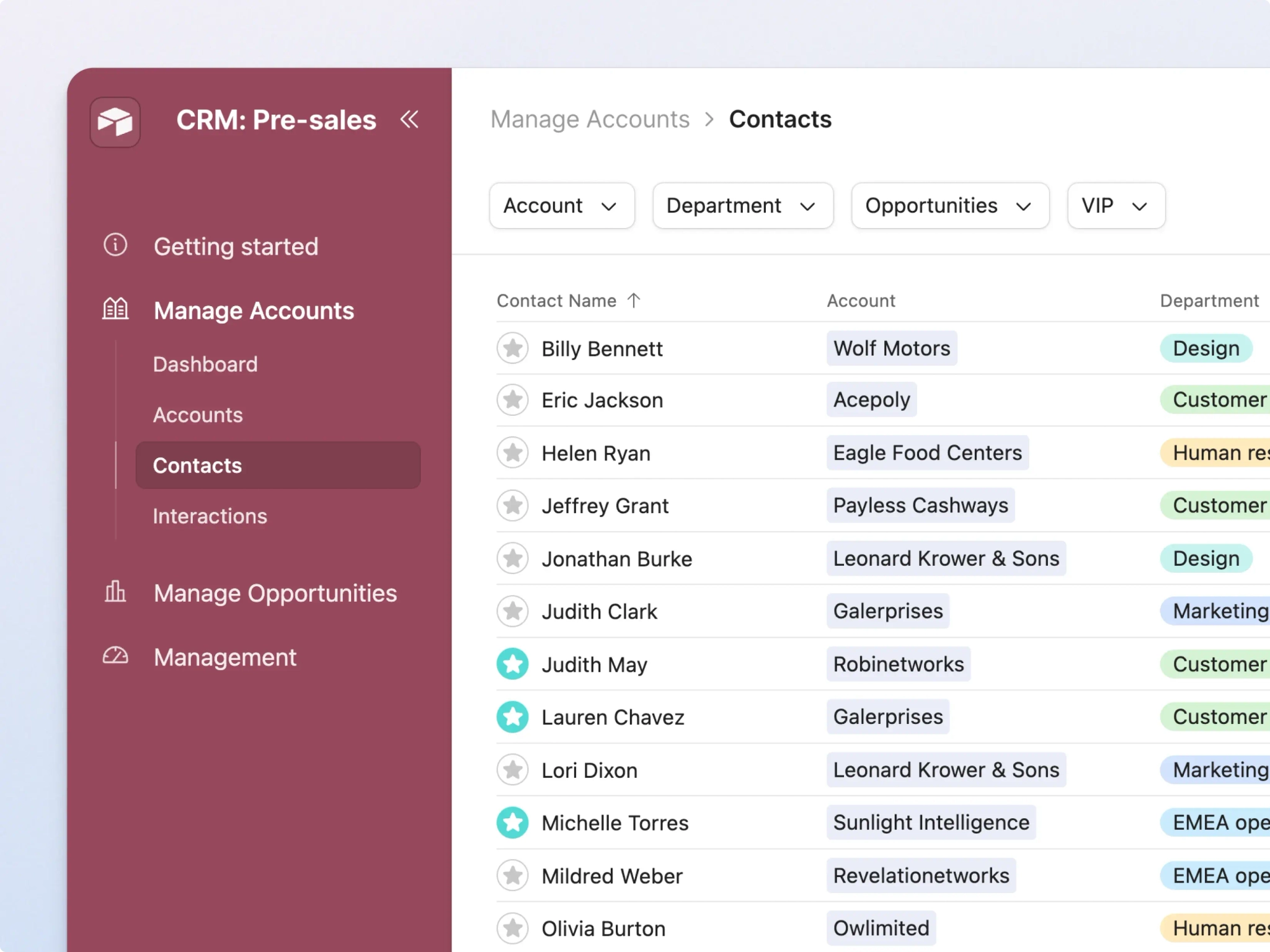
In today’s data-driven world, Airtable has become a standout tool for database management and collaboration, blending the familiarity of spreadsheets with the power of relational databases. However, as organizations grow, so do their concerns around data sovereignty, customization, and recurring subscription costs. In response, many businesses are exploring self-hosted Airtable alternatives to address these challenges. These alternatives provide not only similar functionality but also additional benefits, making them a compelling choice for teams of all sizes.
Why Look for Airtable Alternatives?
Switching from a popular solution like Airtable isn’t a decision to take lightly. However, certain limitations make self-hosted tools more appealing in specific scenarios:
- Data Sovereignty: Gain full control over your sensitive data by hosting it on your infrastructure, meeting compliance and security requirements.
- Cost Efficiency: Avoid or greatly reduce recurring SaaS subscription fees, especially for growing teams or enterprises.
- Customization Freedom: Tailor the database to your exact needs without being limited by a proprietary platform.
- Flexibility in Integration: Self-hosted tools often integrate more easily with bespoke or existing systems.
- Scalability at Your Pace: Grow your database and user base without worrying about hitting pricing tiers or licensing restrictions.
For organizations prioritizing these factors, self-hosted solutions offer a balance of robustness, flexibility, and cost control.
Key Considerations Before Choosing a Self-Hosted Alternative
While the benefits are clear, migrating to self-hosted software requires careful planning. Here’s what you should evaluate before making the switch:
1. Technical Requirements
- Infrastructure: Do you have the necessary hardware or cloud services to host the tool?
- Team Expertise: Is your team equipped to handle installation, configuration, and ongoing maintenance?
- Support Needs: Would you require community support or enterprise-grade assistance?
2. Essential Features
- Does the platform offer features critical to your workflow, such as automation, collaboration, or integrations?
- Can it replace Airtable’s core functionality (e.g., relational databases, custom views, file attachments)?
- Does it offer advanced customization (e.g., scripting, API access) that meets your needs?
3. Total Cost of Ownership
- Factor in costs for hosting, initial setup, and ongoing support.
- Consider potential training investments and long-term time commitments for maintenance.
- Weigh the savings compared to Airtable’s subscription costs.
4. Ease of Use
- Is the interface user-friendly enough for your team, or will it require extensive onboarding?
- Does it support collaboration features that mirror or improve on Airtable’s sharing options?
Evaluating these aspects will help you choose a platform that not only serves your technical and functional needs but also aligns with your team’s capabilities and resources.
Best Alternatives to Airtable

AITable.ai
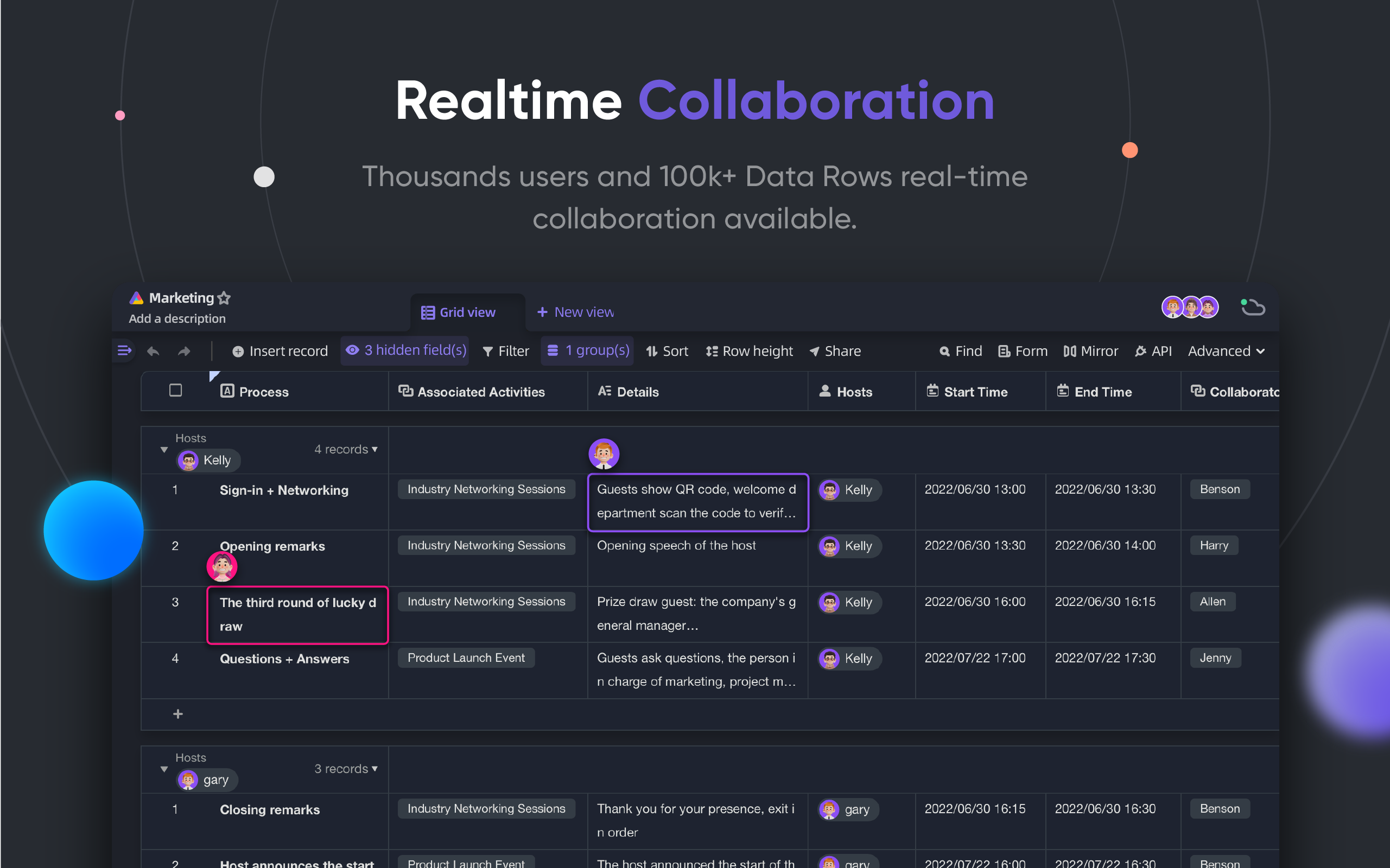
AITable.ai is an innovative no-code database platform that combines traditional database functionality with AI-powered features, offering a smart alternative to Airtable with advanced automation and intelligence capabilities.
Key Features

Baserow
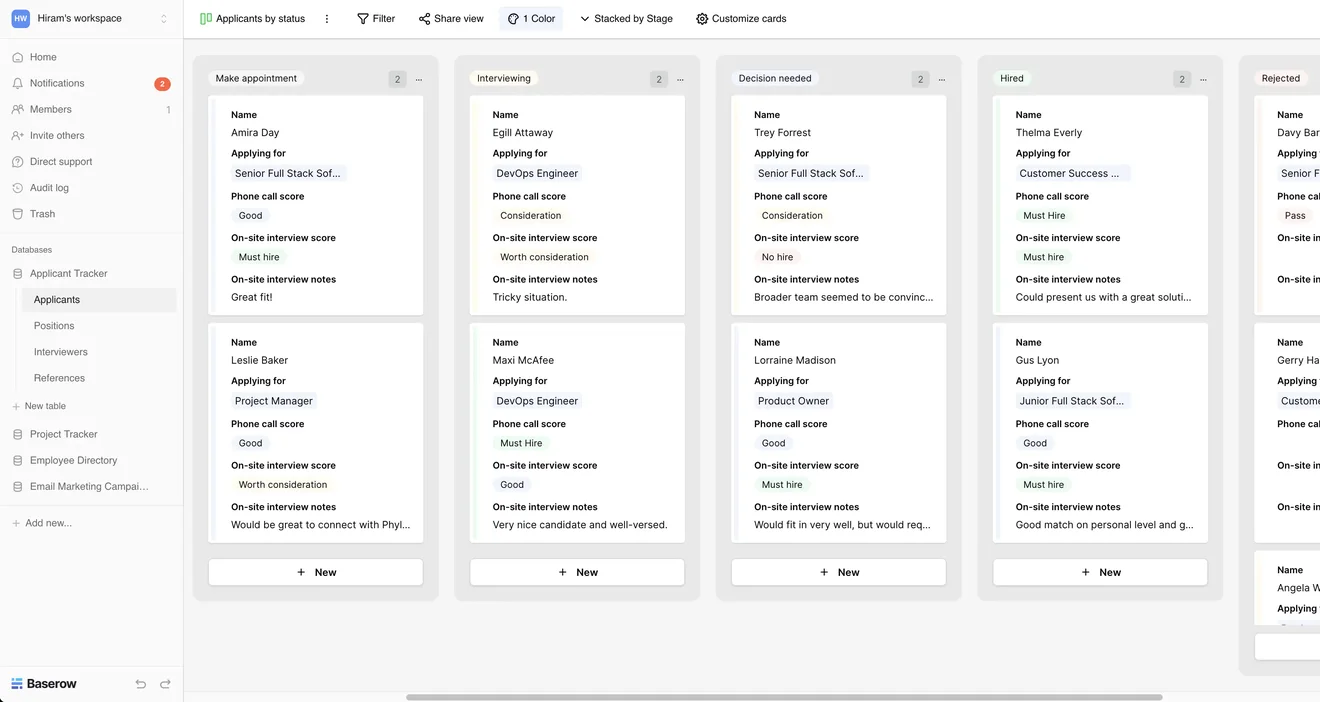
Baserow is an open-source no-code database tool that combines the power of a relational database with a user-friendly interface, offering a self-hosted alternative to Airtable with extensive customization options.
Key Features

Grist
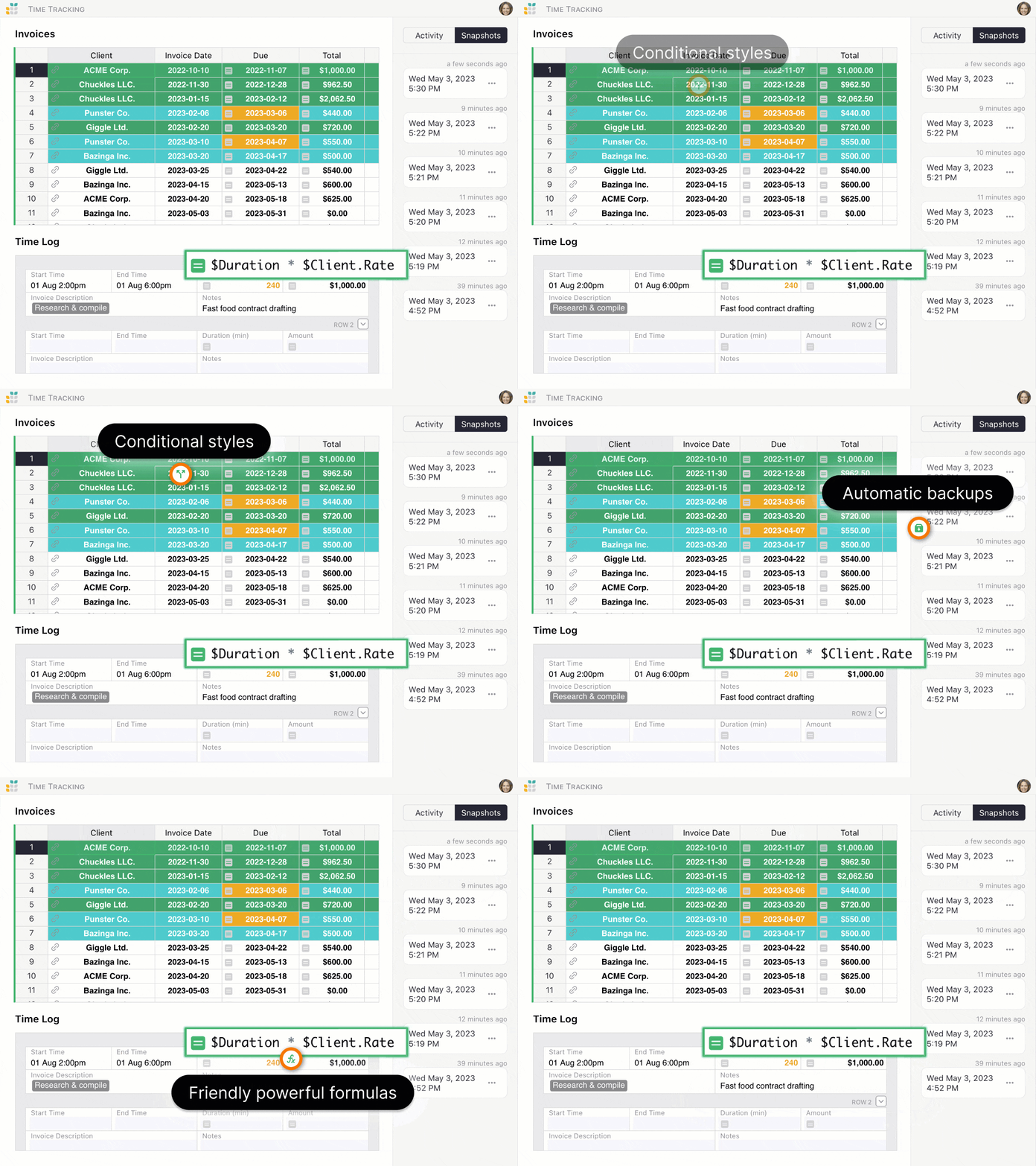
Grist is an open-source spreadsheet-database hybrid that combines the familiarity of spreadsheets with the power of Python-based formulas and relational data, offering a unique approach to data management.
Key Features

NocoDB
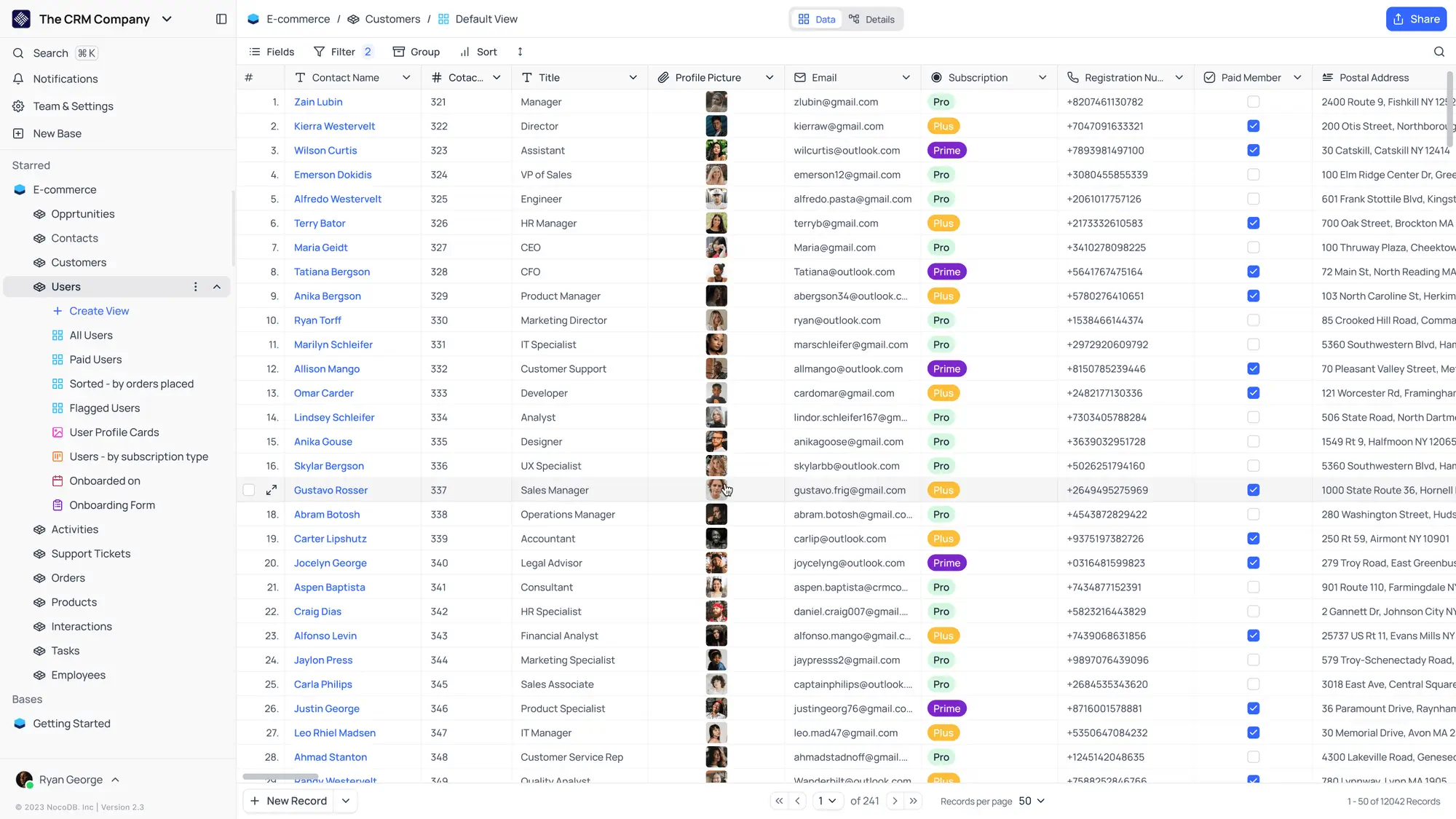
NocoDB is an open-source database platform that transforms any MySQL, PostgreSQL, SQL Server, SQLite, or MariaDB into a smart spreadsheet, offering an Airtable-like interface with powerful collaboration features.
Key Features

Teable
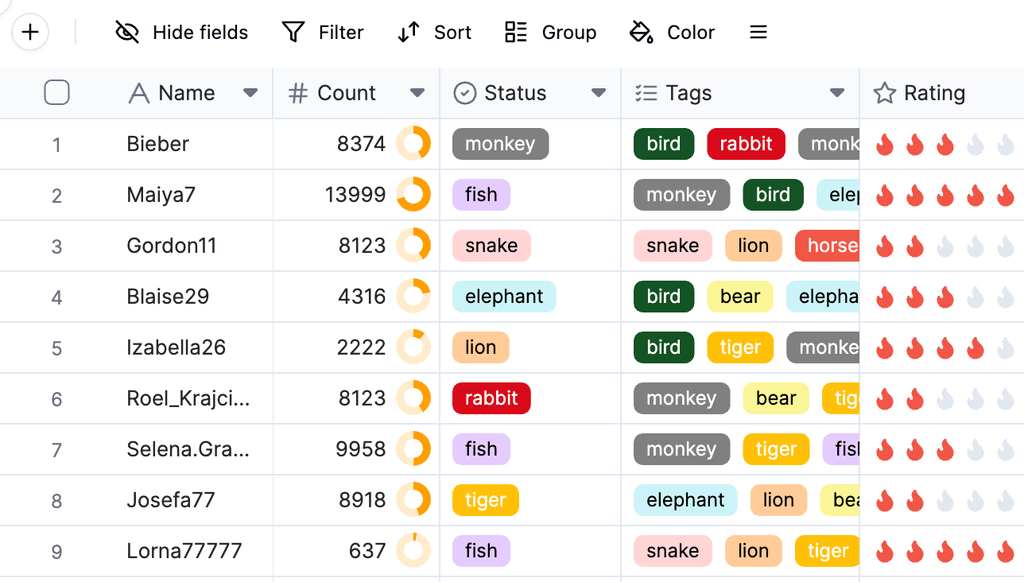
Teable is an innovative open-source database platform that combines PostgreSQL power with a spreadsheet-like interface, offering a perfect blend of no-code simplicity and professional database capabilities.
Key Features

undb
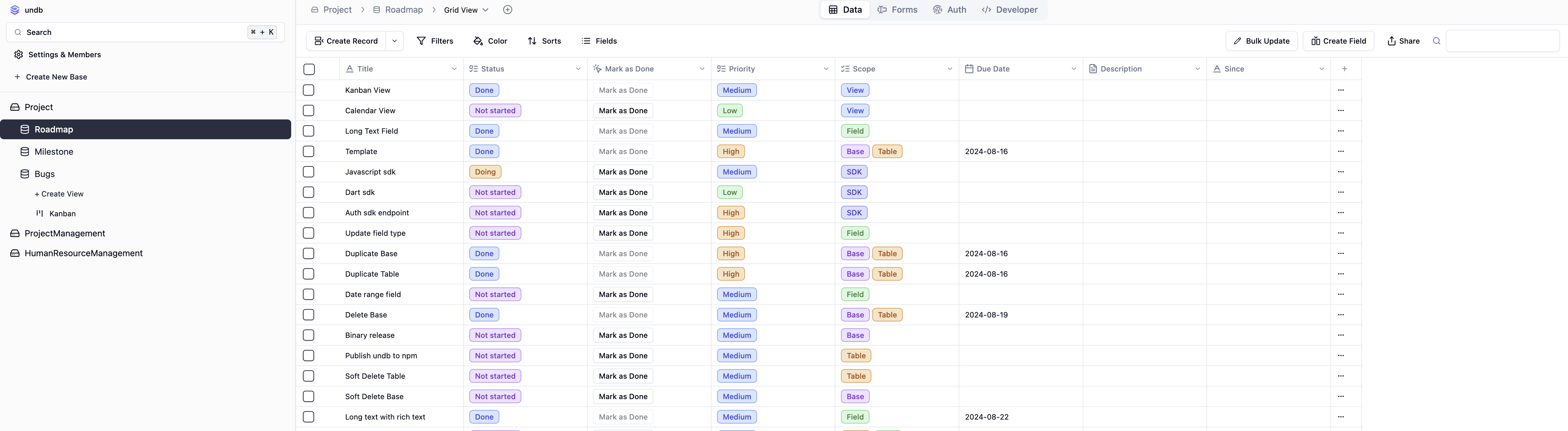
undb is a lightweight, minimalist open-source database platform that focuses on simplicity and performance, offering essential database functionality with a clean, modern interface.
Key Features
Steps to Transition and Adopt a Self-Hosted Tool
Switching platforms can be daunting. To ensure a smooth transition:
-
Start with a Pilot Program Test the tool with a small team or for a single project. This helps evaluate its fit for your workflow without disrupting current operations.
-
Document Your Needs Create a detailed list of features and workflows you use in Airtable. Use this as a checklist to ensure the new tool covers everything your organization needs.
-
Leverage Support Resources Many open-source tools come with community forums, documentation, and tutorials. Familiarize your team with these resources to shorten the learning curve.
-
Plan for Migration If possible, automate or script the migration process to transfer your data seamlessly. Validate the transfer to ensure data integrity.
-
Iterate and Train As your team adopts the new platform, be ready to tweak configurations and address issues. Provide training to ease the learning process.
Closing Thoughts: Is a Self-Hosted Tool Right for You?
Self-hosted Airtable alternatives open doors to greater control, reduced costs, and a customizable experience tailored to your organization’s needs. While the initial setup effort can be higher compared to Airtable’s cloud-based plug-and-play approach, the long-term benefits make these tools an excellent fit for businesses prioritizing data sovereignty, flexibility, and scalable growth.
Final Tip:
Before committing, take the time to explore multiple options and involve your team in the decision-making process. The tool’s usability and feature set should align with your goals and technical capabilities. Ultimately, the right choice will empower your team to work more efficiently and collaboratively while addressing the challenges that led you to explore alternatives in the first place.